When I made the decision to homeschool my two daughters—both already in middle school at the time—I was also in the middle of growing my podcast production business. Looking back, that sounds audacious. I was learning how to set up tech, manage clients, and establish a new brand while also taking on the role of teacher, curriculum designer, and daily motivator.
It’s been almost three years now, and I can confidently say: it hasn’t been easy, but it has been worth it. In this post, I’m sharing transparently what I’ve learned about homeschooling teens while running a business, how I’ve found a rhythm that works for our family, and why you don’t have to follow a “perfect” schedule to succeed in both areas.
Why I Chose to Homeschool (Even While Growing a Business)
For years, I felt the pull to homeschool but didn’t have the words—or the support—to explain why. My daughters were thriving in some ways in public school, but I knew something was missing. When I finally decided to step into homeschooling, the questions rolled in fast:
- Are they going to stay on par with the school system?
- What about socialization?
- Do you really think you can manage this while building a business?
I didn’t have all the answers at the time. As a natural-born planner, not knowing every detail of what curriculum to use or how to structure the days sent me into a tailspin. But I knew I was done with the public school system. And I knew I wanted more freedom—for me and for my girls.
That was enough to start.

What I’ve Learned in Nearly 3 Years of Homeschooling Teens While Running a Business
This journey has been a mix of trial and error, breakthroughs, and lessons that apply to both entrepreneurship and education. Here’s what I’ve discovered:
1. To-Do Lists Are My Secret Weapon
I use the Notes app on my iPhone to organize both homeschool and business tasks. I create subheadings for different areas (school subjects, client projects, marketing, admin) and list everything that needs to get done under those categories.
The best part? I can minimize categories with the dropdown arrow so I’m not overwhelmed by seeing everything at once. Some productivity gurus will tell you not to make long lists. To that, I say: do what works for you. For me, checking things off and adding that little green ✅ gives me the satisfaction and momentum to keep going.
2. Grace Over Perfection
Some nights I stay up late working, which means school starts later the next morning. I no longer beat myself up for this. Our homeschool still gets done, my clients still get served, and our family finds its flow.
Homeschooling and entrepreneurship both require grace. You’ll burn out if you expect yourself to run them like a military operation. Instead, I’ve learned to focus on consistency, not rigidity.
3. Start the Day With Reading
In the beginning, reading was the last subject of our homeschool day. By then, the girls were tired, and sometimes I’d find them dozing off. Now, reading is how we begin our mornings.
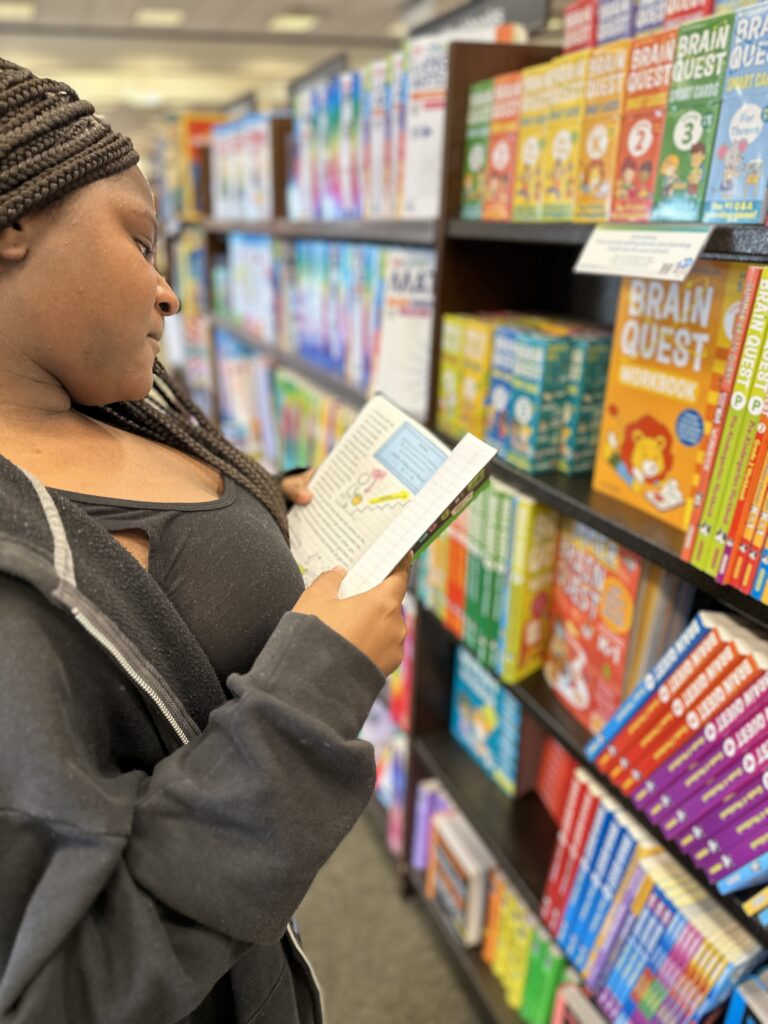
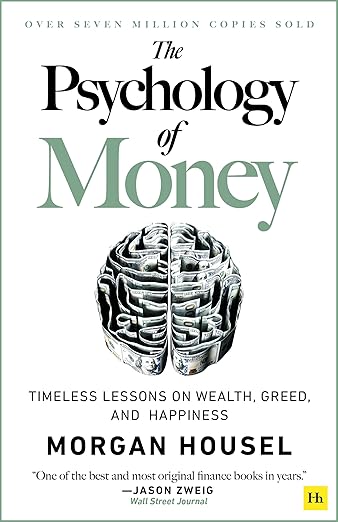
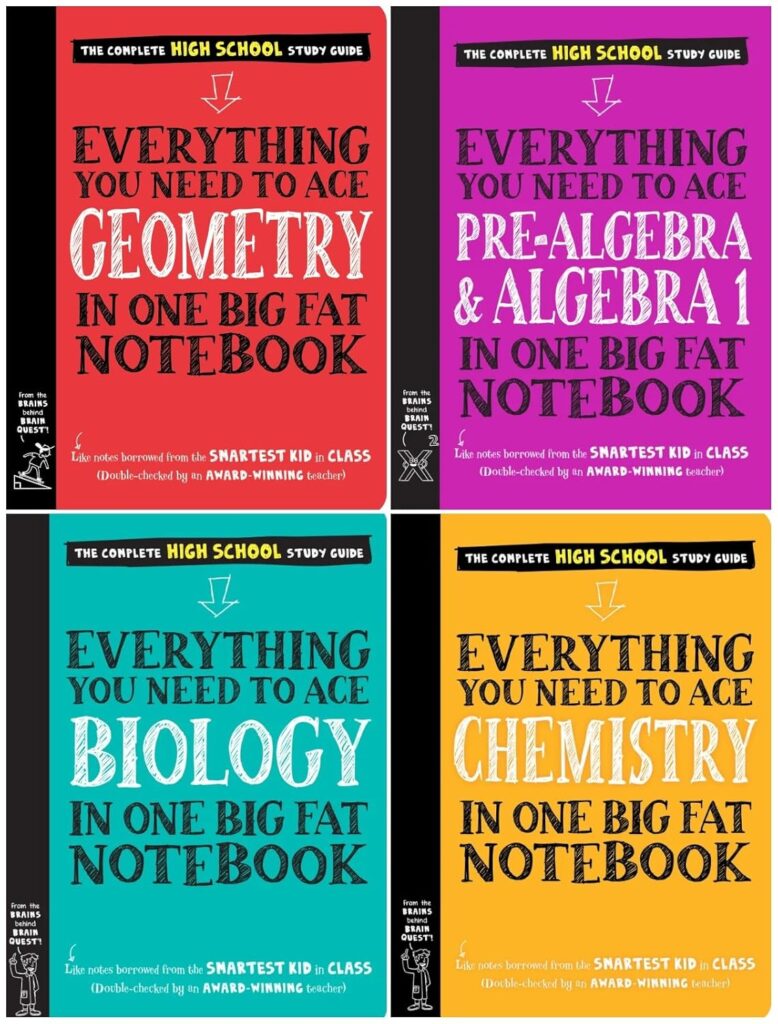
It wakes up their senses, sparks meaningful conversations, and sets a positive tone for the day. Reading aloud together—whether it’s history, financial literacy, or a novel—creates connection and opens the door for deeper discussions. These are a few of the books we use, Rich Dad Poor Dad for Teens, The Psychology of Money or the Big Fat Notebook series.

4. Breaking Away From the “Traditional School” Mindset
At first, I thought homeschooling had to replicate public school. Detailed lesson plans, rigid schedules, heavy workloads. That mindset nearly burned us out.
On the flip side, I didn’t want to swing to the other extreme and embrace a completely unstructured free-for-all. What we’ve landed on is a balanced middle ground: structured enough to keep us on track, flexible enough to enjoy the process.
That middle ground has been just as important for my business. As an entrepreneur, I don’t have to work a 9-to-5 or follow someone else’s timeline. Instead, I create systems that support me without boxing me in.
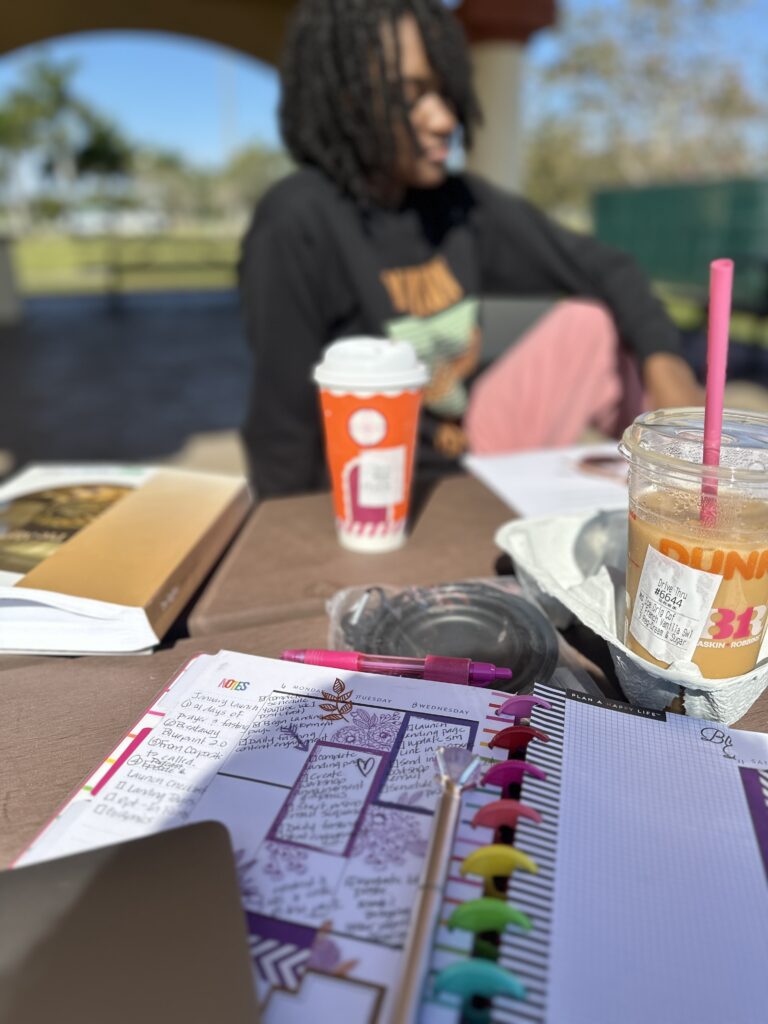
5. My Happy Planner + Post-Its = Our Curriculum Map
At the beginning of each year, I take my Big Happy Planner and an “army of Post-It notes.” I use them to map out which chapters or resources we’ll cover, sticking notes into the weeks ahead. This lets me see the big picture without locking us into rigid daily assignments.
When it’s time to plan lessons, I just pull from the Post-It that corresponds to that week. No fancy stickers or elaborate systems—just a simple, flexible way to keep us moving forward.

6. Google Classroom Keeps Us Organized
Google Classroom (free and easy to set up) has been a game changer for managing subjects, assignments, and accountability. Each subject has its own “classroom,” and I can post assignments, links, or reminders. The girls check in daily, mark assignments complete, and it keeps everything streamlined and easily accessible for annual reporting.
7. Choosing Resources That Fit Our Family
Instead of buying an expensive all-in-one curriculum, I’ve pieced together resources that fit our goals, budget, and interests. These are just a few:
- Financial Literacy: Rich Dad Poor Dad for Teens + The Psychology of Money
- History: Big Fat Notebook World History + Black History Facts You Didn’t Learn in School by Yecheilyah Ysrayl
- Science/Tech: Big Fat Notebook Computer Science & Coding + Free coding resources and online tools
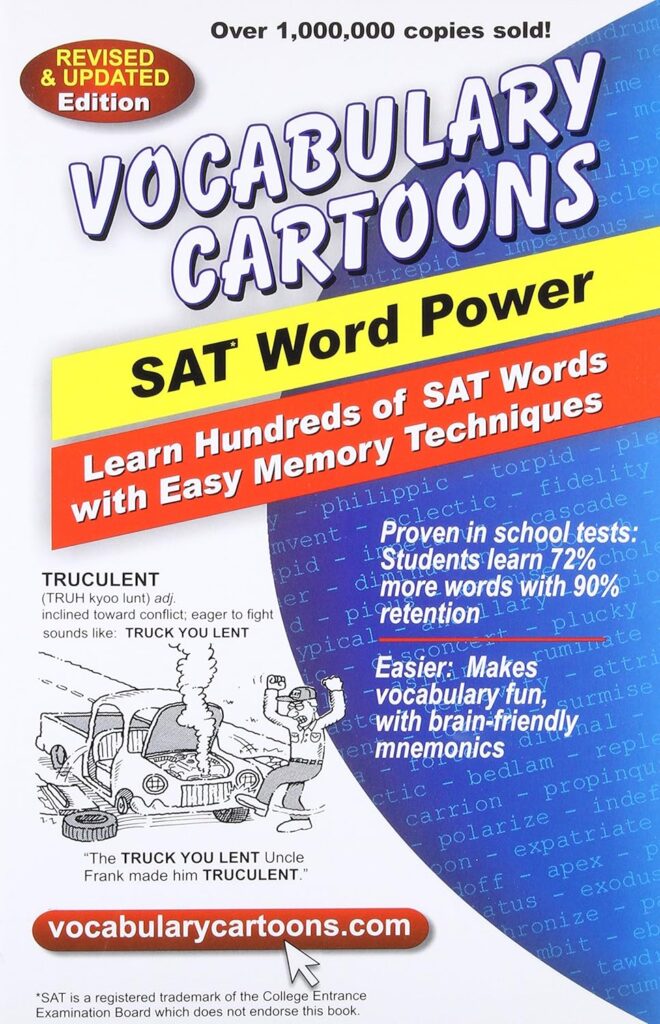
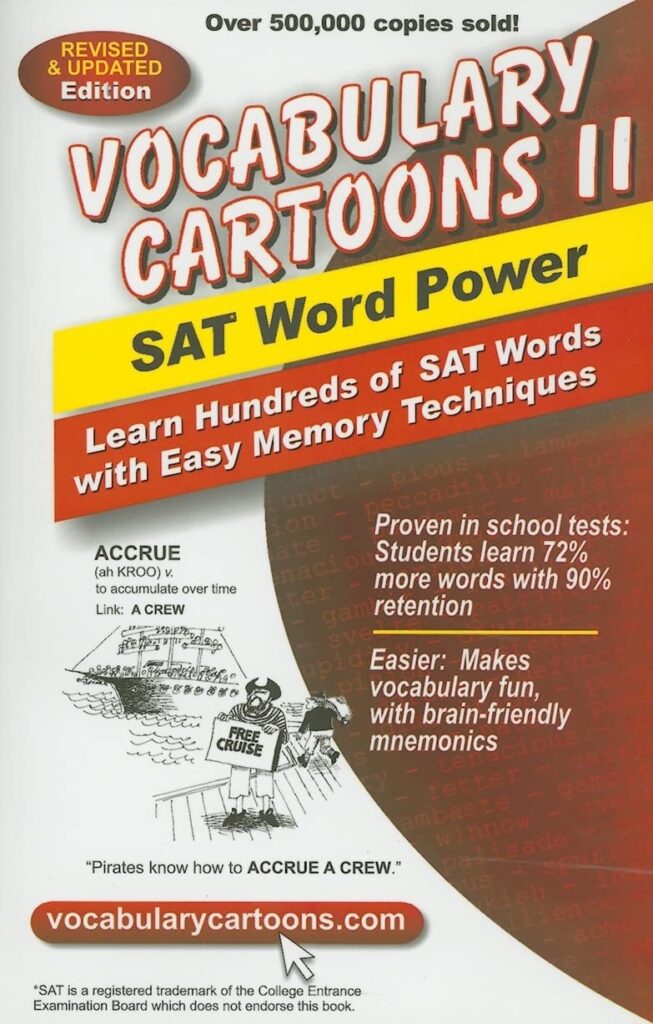
- Vocabulary & Writing: SAT Word Power I and SAT Word Power II, combined with essay assignments and buzzers we bought at Dollar Tree to keep things fun!

These choices make learning both engaging and budget-friendly.
8. Assignments That Spark Real Thinking
Not everything has to be graded. I give participation grades for discussions, because sometimes the assignment is the conversation.
I also push my daughters to write in complete sentences, expand on their answers, and tie new vocabulary into essays based on recent history lessons. These assignments encourage deeper thinking while giving them practice in writing and communication. We read aloud daily, and little do they know, it’s actually preparing them for public speaking.
Balancing Business With Homeschool: Finding My Flow
Now, here’s where the business side comes in. We homeschool in the mornings. Once the school day is done, I switch mental gears into my workflow.
Do I always get right to work? Sometimes. Other days, I take a break before diving in—and that’s okay. If I use the afternoon to watch a movie, I know it just means I’ll be working later into the evening, sometimes until 10 or 11, finishing a blog post or editing a video.
I’ve detached myself from the idea that I need to wake up at 5 a.m. and be in bed by 9 p.m. I sleep when my body is tired and wake up when I’ve had enough rest. That rhythm sustains me far better than forcing myself into someone else’s schedule.
What Keeps Me Going
There are days when the juggle feels overwhelming. Teenage attitudes, client deadlines, unexpected setbacks. But here’s what keeps me going:
- Watching my daughters confidently discuss financial literacy concepts I never learned until adulthood.
- Seeing my clients’ podcasts grow while knowing I didn’t sacrifice my family to make it happen.
- Embracing a lifestyle where success isn’t tied to a clock, but to freedom, flexibility, and fulfillment.
Both homeschooling and entrepreneurship have taught me the same lesson: you don’t have to do it all—you just have to do what matters.
Final Thoughts: For Moms Homeschooling While Building Businesses
If you’re reading this because you’re wondering whether it’s possible to homeschool your teens while growing your business, here’s my honest answer: yes, it’s possible—but only if you stop trying to do it perfectly.
Build systems that work for you. Use tools that make your life easier. Ignore the voices that say you’re “falling behind” if your schedule doesn’t look traditional.
Your family deserves an education that reflects your values, and your business deserves your creativity and focus. You don’t have to choose—you just have to find the rhythm that works for your family.
And trust me: once you find it, both your homeschool and your business will thrive.
Our Favorite Homeschool Resources
Here are the books and tools mentioned in this post that we personally use in our homeschool journey:
- Rich Dad Poor Dad for Teens
- The Psychology of Money
- Big Fat Notebook High School Bundle
- Big Fat Notebook World History
- Big Fat Notebook Computer Science
- Black History Book by Yecheilyah Ysrayl
- Vocabulary Cartoons Word Power
- Vocabulary Cartoons Word Power II
- Happy Planner
This post contains affiliate links. If you purchase through these links, I may earn a small commission at no additional cost to you. Thank you for supporting our homeschool journey!




This is an example of a comment.
This is an example of a comment reply.
This is another comment with more text. Lorem ipsum dolor sit amet, consectetur adipiscing elit. Phasellus ultricies ultricies nulla, convallis maximus lacus imperdiet sed. Etiam gravida arcu eget scelerisque gravida. Donec sit amet lectus feugiat, cursus felis sed, suscipit leo. Nulla facilisi. Phasellus dolor ipsum, convallis in quam nec, lobortis facilisis dolor.